


Unpacking plastic packaging: developments in recycled polymer and novel fuel analysis using GC-MS

Available to stream on demand now

Duration: 60 Minutes
Overview
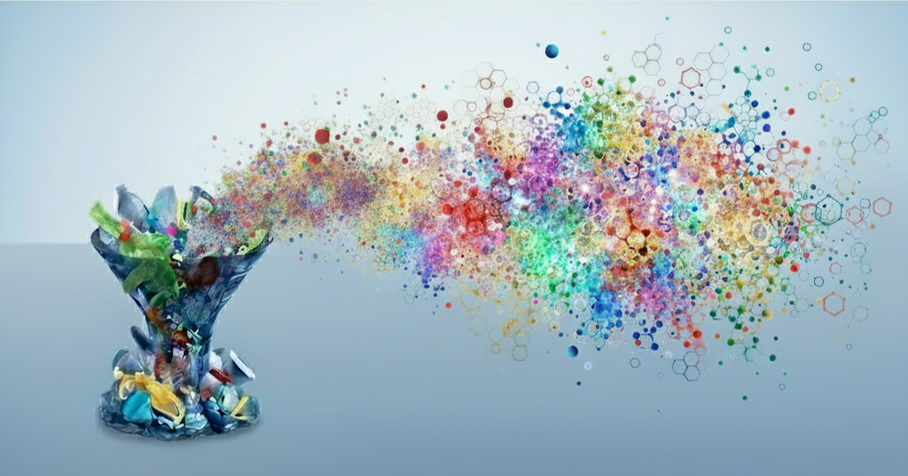
More than 400 million tonnes of plastic waste are produced each year, yet under 9% is recycled. Achieving effective plastic recycling at scale, and meeting circular economy goals, depends on robust chemical characterisation to control quality, pinpoint trace contaminants, and optimise both chemical and mechanical recycling routes.
The focus of this webinar is on the characterisation of recycled polymers and pyrolysis oils using advanced GC×GC–TOF MS hardware and software workflows. You’ll learn how rigorous chemical characterisation improves separation, detection and data processing, supporting routine quality control and raising product standards. Applied in practice, these techniques improve the recycling process, enhance the quality of recycled fuels and materials, and support a more sustainable future.
Key Learning Objectives:
- Understand the basics of GC×GC–TOF MS and how it extends beyond standard GC for complex mixture analysis.
- Learn about the latest advances in analytical hardware for characterising biofuels and recycled polymers.
- Find out how automated software workflows can speed up data processing and interpretation.
- Explore the latest GC×GC applications including the analysis of sustainable aviation fuels, pyrolysis oils, and many more.
Who Should Attend:
- Analytical Chemists and Chromatographers
- Laboratory Managers and QC Scientists in plastics recycling or biofuel industries
- Sustainability-focused R&D professionals
- Anyone interested in advancing circular economy practices through analytical chemistry
Brought to you by:

Speakers
 Anthony Buchanan
Global Petrochemical Market Development Manager,
SepSolve Analytical
Registration
*By submitting this form, you agree to receive more information on related products and services from the American Chemical Society and its sponsor via email. You understand that you can withdraw your consent at any time. ACS takes your privacy seriously. For more information, please see the ACS Privacy Policy.
© 2026 American Chemical Society, 1155 16th St NW, Washington, DC 20036, USA. View our Privacy Policy